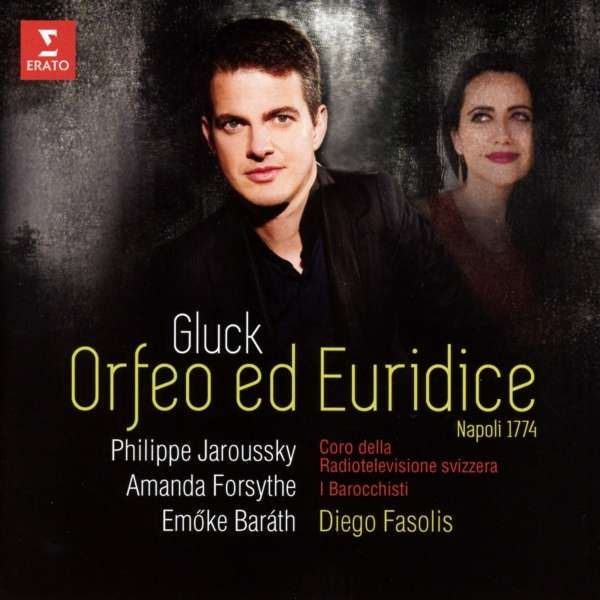
Gluck: Orfeo ed Euridice
17,90 €
Formát:
CD
Dostupnosť:
backorder/ dodacia doba 7-14 dní
EAN kód:
190295660239
Autori:
Christoph Willibald Gluck
Interpreti:
Amanda Forsythe, Coro della Radiotelevisione Svizzera, Diego Fasolis, Emőke Baráth, I Barocchisti, Philippe Jaroussky
Vydavateľ:
WARNER CLASSICS
Zoznam skladieb
1 Orfeo ed Euridice, Wq. 30: Sinfonia - Allegro con moto2 Orfeo ed Euridice, Wq. 30: "Ah! se intorno a quest'urna funesta" (Orfeo, Chorus)
3 Orfeo ed Euridice, Wq. 30: "Basta, basta, o compagni!" (Orfeo)
4 Orfeo ed Euridice, Wq. 30: Ballo - Tempo di Minuè
5 Orfeo ed Euridice, Wq. 30: "Ah! se intorno a quest'urna funesta" (bis) [Chorus]
6 Orfeo ed Euridice, Wq. 30: "Chiamo il mio ben così ... Piango il mio ben così" (Orfeo)
7 Orfeo ed Euridice, Wq. 30: "Numi, barbari Numi!" (Orfeo)
8 Orfeo ed Euridice, Wq. 30: "T'assiste Amore" (Orfeo, Amore)
9 Orfeo ed Euridice, Wq. 30: "Gli sguardi trattieni .... Sai pur che talora" (Amore)
10 Orfeo ed Euridice, Wq. 30: "Che disse? Che ascoltai?" (Orfeo)
11 Orfeo ed Euridice, Wq. 30: Ballo di Furie e Spettri - Maestoso - Un poco largo - "Chi mai dell'Erebo" (Chorus)
12 Orfeo ed Euridice, Wq. 30: "Deh placatevi con me" (Orfeo, Chorus)
13 Orfeo ed Euridice, Wq. 30: "Misero giovine!" (Chorus)
14 Orfeo ed Euridice, Wq. 30: "Mille pene" (Orfeo)
15 Orfeo ed Euridice, Wq. 30: "Ah quale incognito" (Chorus)
16 Orfeo ed Euridice, Wq. 30: "Men tiranne" (Orfeo)
17 Orfeo ed Euridice, Wq. 30: "Ah quale incognito" (bis) [Chorus]
18 Orfeo ed Euridice, Wq. 30: Ballo d'eroi ed eroine negli Elisi - Andantino
19 Orfeo ed Euridice, Wq. 30: "Che puro ciel! ... Euridice dov'è?" (Orfeo, Chorus)
20 Orfeo ed Euridice, Wq. 30: "Vieni a' regni del riposo" (Chorus)
21 Orfeo ed Euridice, Wq. 30: Ballo - Andante
22 Orfeo ed Euridice, Wq. 30: "Anime avventurose" (Orfeo, Chorus)
23 Orfeo ed Euridice, Wq. 30: "Torna, o bella, al tuo consorte" (Chorus)
24 Orfeo ed Euridice, Wq. 30: "Vieni, segui i miei passi ... Ch'io taccia!" (Orfeo, Euridice)
25 Orfeo ed Euridice, Wq. 30: "Vieni, appaga il tuo consorte ... Grande, o Numi" (Orfeo, Euridice)
26 Orfeo ed Euridice, Wq. 30: "Qual vita è questa mai" (Orfeo, Euridice)
27 Orfeo ed Euridice, Wq. 30: "Senza un addio? ... Ah! Crudel" (Euridice)
28 Orfeo ed Euridice, Wq. 30: "Più frenarmi non posso" (Orfeo, Euridice)
29 Orfeo ed Euridice, Wq. 30: "Che farò senza Euridice" (Orfeo)
30 Orfeo ed Euridice, Wq. 30: "Ma finisca, e per sempre" (Orfeo)
31 Orfeo ed Euridice, Wq. 30: "Orfeo, che fai?" (Orfeo, Euridice, Amore)
32 Orfeo ed Euridice, Wq. 30: "Trionfi Amore!" (Orfeo, Euridice, Amore, Chorus)
Popis
Gluck's masterpiece in the Naples - 1774 version For years, star - countertenor Philippe Jaroussky has been most successfully exploring works with which the great composers from the Baroque to the Classical periods brought the mythical singer Orpheus to the stage. As vast as the repertoire is for a countertenor - as Orpheus he finds himself at the center of his art. The ancient singer, who soothed wild animals and made stones weep with his music alone, is considered a symbol of the power of music. Next to Monteverdi's work, Christoph Willibald Gluck's most famous Orpheus opera premiered in Vienna in 1762. Philippe Jaroussky interprets the musical hero of the Greek legend in the version as it passed over the stage in Naples in 1774. Now their recording appears in world premiere recording. Ah, I have lost her... With this famous aria, Gluck captured the hero's grief over his deceased lover Eurydice. With the permission of the gods, Orpheus wanders into the underworld to retrieve her. Gluck's Orfeo shows the singer entangled in emotions of a deeply wounded hero. His new operatic style, freed from all the overstuffed pomp of the Baroque, made Gluck a European opera star, which Mozart was to follow a generation later. Wherever Gluck's works were performed, the composer adapted them to the circumstances of the performance venues and the particular skills of the performers - the reason for the most varied versions, such as that of Naples, which always shed a slightly different light on the famous myth. The recording with Jaroussky, Amanda Forsythe and Emőke Baráth and the Barocchisti under Diego Fasolis opens a new chapter in the history of interpretation of this classic.