 | Nusrat Fateh Ali Khan - Sufi Qawwalis |
 | The New Sound of Maria Callas (3CD) |
 | Marta Kubišová a bratři Ebenové: Adventní písně a koledy |
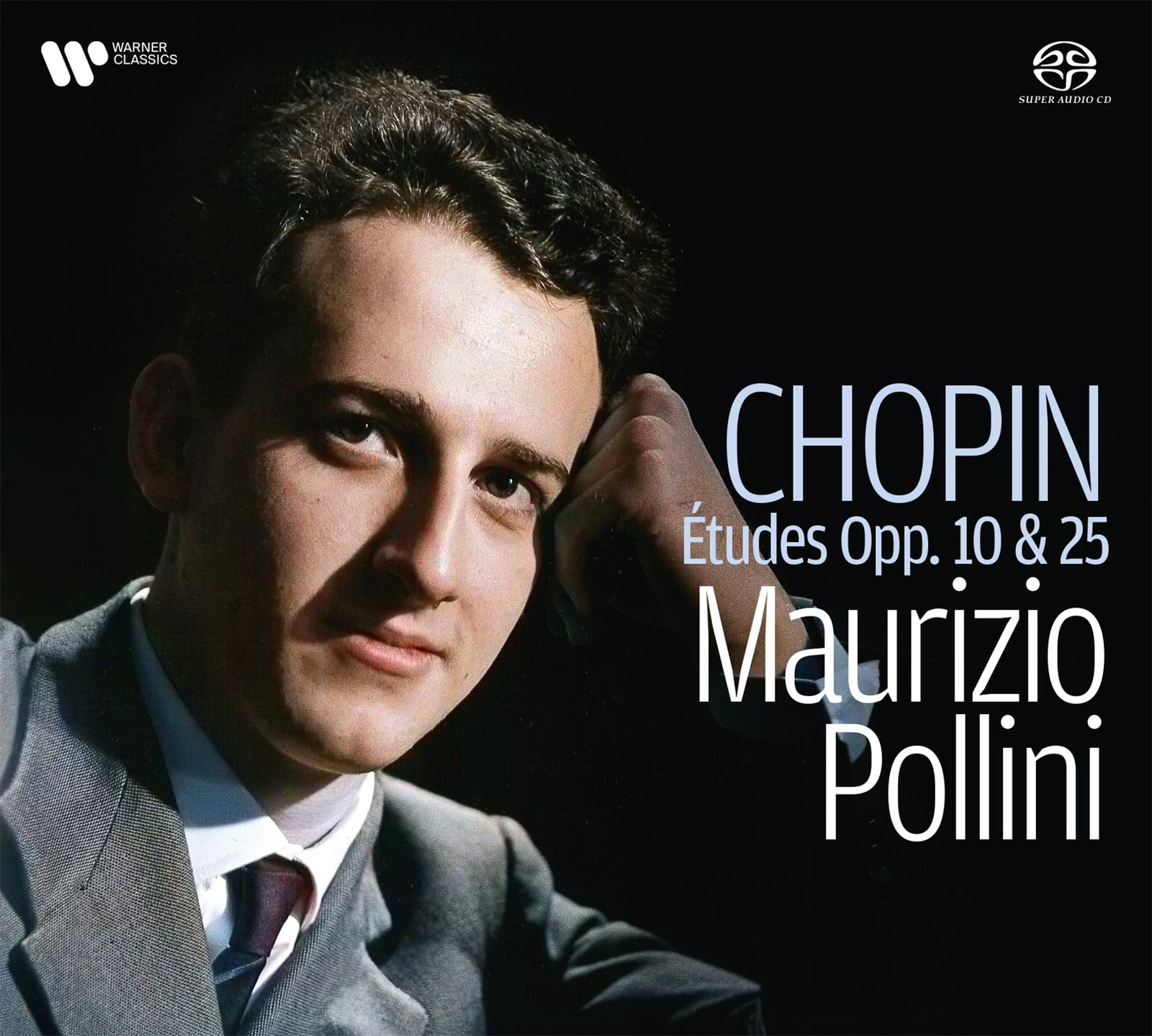
Chopin: Études Opp. 10 & 25 (SACD)
19,00 €
Formát:
SACD
Dostupnosť:
7-14 dní
EAN kód:
5021732482884
Autori:
Frédéric Chopin
Interpreti:
Maurizio Pollini
Vydavateľ:
WARNER CLASSICS
Zoznam skladieb
Dátum vydania: 28. 2. 2025112 Études, Op. 10
1 No. 1 in C Major
2 No. 2 in A Minor "Chromatique"
3 No. 3 in E Major "Tristesse"
4 No. 4 in C-Sharp Minor
5 No. 5 in G-Flat Major "Black Keys"
6 No. 6 in E-Flat Minor
7 No. 7 in C Major
8 No. 8 in F Major
9 No. 9 in F Minor
10 No. 10 in A-Flat Major
11 No. 11 in E-Flat Major "Arpeggio"
12 No. 12 in C Minor "Revolutionary"
12 Études, Op. 25
13 No. 1 in A-Flat Major "Aeolian Harp"
14 No. 2 in F Minor
15 No. 3 in F Major
16 No. 4 in A Minor
17 No. 5 in E Minor
18 No. 6 in G-Sharp Minor
19 No. 7 in C-Sharp Minor
20 No. 8 in D-Flat Major
21 No. 9 in G-Flat Major "Butterfly"
22 No. 10 in B Minor
23 No. 11 in A Minor "Winter Wind"
24 No. 12 in C Minor
Popis
"This boy plays better than any of us!" commented the legendary Arthur Rubinstein on the playing of 18-year-old Maurizio Pollini. It was 1960 and Rubinstein was on the jury of the International Chopin Competition, where Pollini won first prize. In one fell swoop, the young pianist had the music world at his feet. EMI offered him an exclusive contract and two recordings were made in the same year: Chopin's Piano Concerto in E minor and the Etudes op. 10 and 25. But without explanation, Pollini was banned from the second release and spontaneously withdrew from the media hype. Only in his mature years did Pollini change his mind, allowing the late publication in 2011. In honor of the pianist, who died in 2024, the 1960 recording has now been remastered and released in high resolution. The starting point of each of the 24 etudes is a technical theme. However, Chopin gave each individual etude a deep poetic core, and later voices gave them nicknames such as Winter Wind, Waterfall or Aeolian Harp. Countless pianists took up the challenge of making the essence of the individual miniature masterpieces audible. "The young Pollini listens sideways, takes his time, asks questions", the weekly newspaper Die Zeit compared the 1960s recording with a later recording by the pianist. Curiosity and determination characterize the 18-year-old's early interpretation. The British Guardian also celebrated the new edition in 2011: "If there is a more natural and flawless recording of the Etudes than this 1960 recording, then I haven't heard it," the critic marveled.