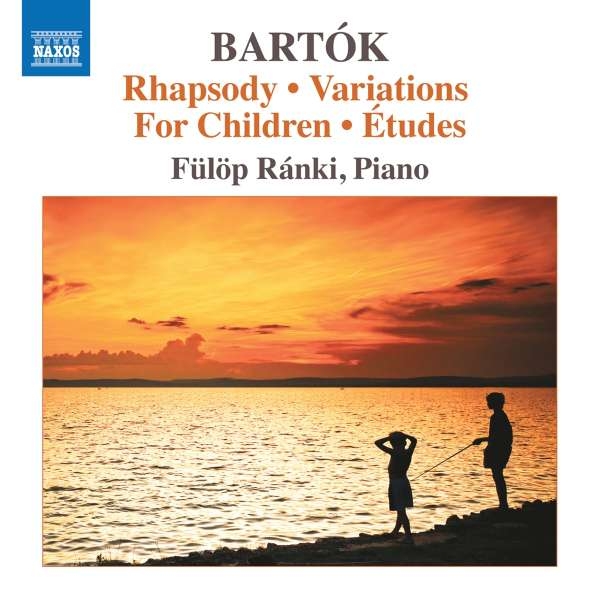
Bartók: Piano Music, Vol. 8
10,00 €
Formát:
CD
Dostupnosť:
backorder / dodacia doba 10-28 dní
Katalógové číslo:
8.574340
EAN kód:
747313434077
Autori:
Béla Bartók
Interpreti:
Fülöp Ránki
Vydavateľ:
NAXOS
Zoznam skladieb
3 Studies, Op. 18, BB 811. No. 1. Allegro molto
2. No. 2. Andante sostenuto
3. No. 3. Rubato - Tempo giusto
4. Rhapsody, Op. 1, BB 36a
For Children, BB 53, Vol. 2 (based on Hungarian folk tunes) (original version) (excerpts)
5. No. 25. Allegro
6. No. 29. Allegro
For Children, BB 53, Vol. 1 (based on Hungarian folk tunes): No. 17. Adagio (original version)
7. For Children, BB 53, Vol. 1 (based on Hungarian folk tunes): No. 17. Adagio (original version)
For Children, BB 53, Vol. 2 (based on Hungarian folk tunes) (original version) (excerpts)
8. No. 26. Andante
9. No. 34. Andante
For Children, BB 53, Vol. 1 (version transcribed from Bartók's January 1945 New Jersey Kossuth Radio concert recording) (excerpts)
10. No. 21. Allegro robusto
11. No. 26. Moderato
For Children, BB 53, Vol. 4 (based on Slovakian folk tunes) (original version) (excerpts)
12. No. 23. Molto rubato, non troppo lento
13. No. 27. Mockery (Allegro)
For Children, BB 53, Vol. 3 (based on Slovakian folk tunes) (original version) (excerpts)
14. No. 5. Variations (Molto andante)
15. No. 11. Lento
For Children, BB 53, Vol. 4 (based on Slovakian folk tunes) (original version) (excerpts)
16. No. 36. Largo
17. No. 37. Molto tranquillo
Változatok (Variations), BB 22
18. Változatok (Variations), BB 22
Popis
Béla Bartók’s formative years as a composer in Budapest were stimulated by fashionable musical salons hosted by the wealthy Emma Gruber (later Zoltán Kodály’s wife). His landmark Rhapsody, Op. 1 is dedicated to Gruber, while the earlier Variations are a romantic homage to his talented colleague Felicie Fábián, composer of the theme. The virtuoso Études focus on hand flexibility for pianists – the pieces For Children are based on Hungarian and Slovak peasant songs partly collected by Bartók. These revelatory sounds caused Bartók to change his approach to composing. He likened the arranging of a peasant melody to ‘the mounting of a jewel’, producing extremely effective miniature masterpieces of graceful perfection.