 | Yes: Live at the Rainbow (RSD 2025) (3LP) |
 | Živé kvety: Cesty, ktoré nevedú nikam (rarity vol.1) |
 | Harry Potter and the Half-Blood Prince (OST) |
 | Oscar Peterson: Soft Sands (Piano Solos with Orchestra) |
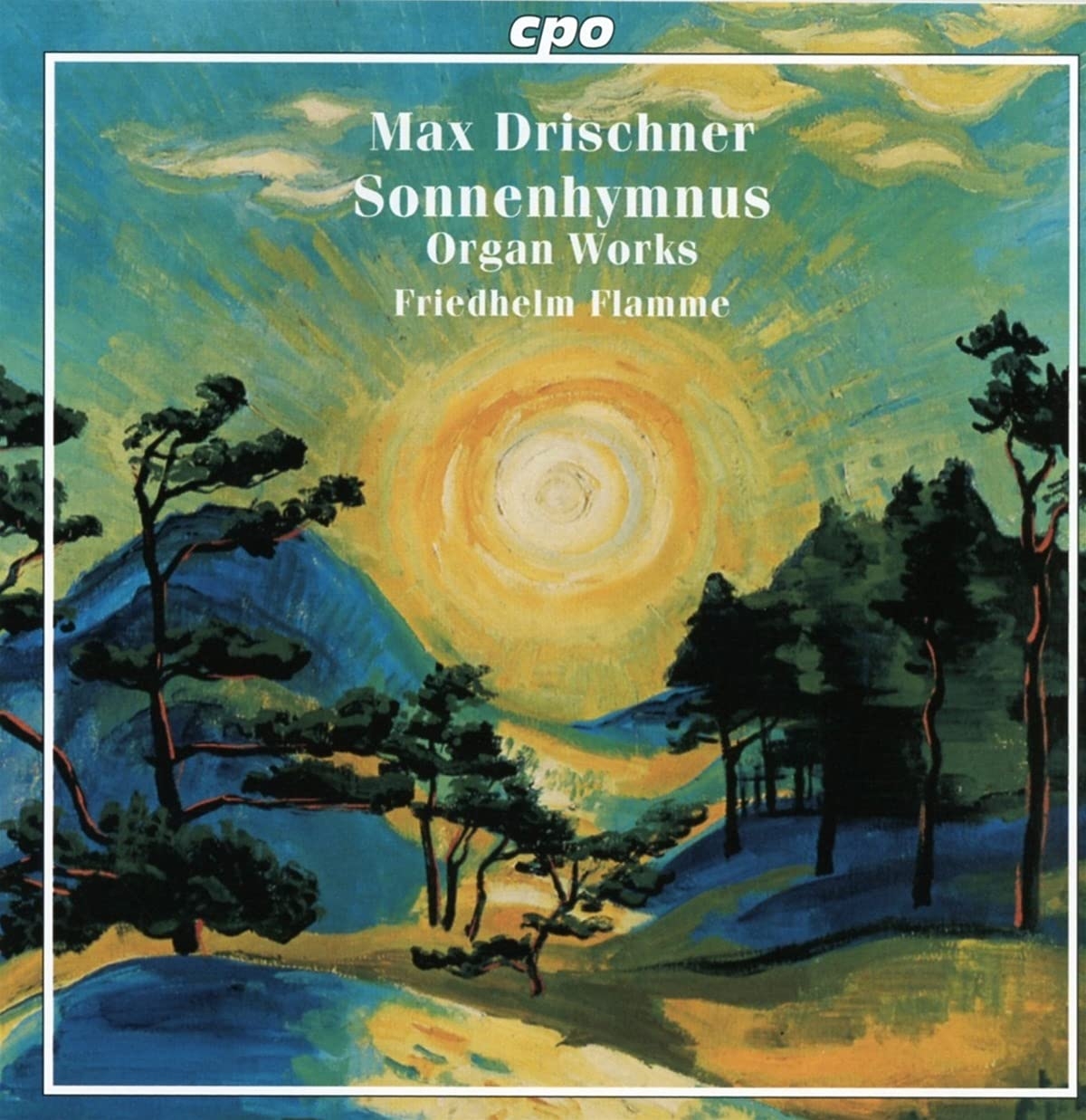
Max Drischner: Sonnenhymnus - Organ Works (SACD)
10,00 €
Formát:
SACD
Dostupnosť:
na sklade / dostupné okamžite
Katalógové číslo:
555 376-2
EAN kód:
761203537624
Autori:
Max Drischner
Interpreti:
Friedhelm Flamme
Vydavateľ:
CPO
Zoznam skladieb
Toccata, Adagio & Fugue in AWie schön leuchtet der Morgenstern
Wachet auf, ruft uns die Stimme
Nordic Folksong Suite No. 1
Lofot-Variations
Nordische Fantasie in A minor
Lobet den Herren den mächtigen König der Ehren
Dir, dir, Jehova will ich singen
Es ist das Heil uns kommen her
Praeludium & Fuge in A minor
Liebster Jesu, wir sind hier
Wer nur den lieben Gott lässt walten
Sieh, hier bin ich, Ehrenkönig
Komm, o komm, du Geist des Lebens
Die güldne Sonne voll Freud und Wonne
Herr Gott, dich loben alle wir
Herz und Herz vereint zusammen
Verleih uns Frieden gnädiglich
Die Sonn hat sich mit ihrem Glanze
Befiehl du deine Wege
Fröhlich soll mein Herze springen
Schönster Herr Jesu
Passacaglia in E 'Sonnenhymnus'
Popis
Max Drischner’s “Neobaroque” music is best understood when it is viewed in its context shaped by the youth music movement and the organ revival. Drischner composed most of his works for church performance in simple circumstances. He wanted to write appealing music that would reach »the people« and receive a positive response from its audiences – and even today his music attracts quite a few genuinely enthusiastic fans. The selection of compositions recorded here on a magnificent, richly colored symphonic organ consists of free pieces and pieces set to chorales that can also be played on small organs or in some cases even on the piano. Among the free organ works, the impressive Passacaglia in E major occupies a special place in Drischner’s self-understanding because of his detailed comments on it and his suggestions for interpretation. Its title, Sonnen-Hymnus (Sun Hymn), owes to several factors: Drischner incorporates his experiences of sunrises in the mountains of his native Silesia into it and forms associations with creation hymns such as Psalm 104: 27-28 (verses with parallels in an ancient Egyptian hymn ascribed to the pharaoh Akhenaten) and St. Francis of Assisi’s Canticle of the Sun (“Cantico di Frate Sole,” 1224 / 25). Drischner renders this into music based on a theme of eight measures developed from an E major chord and cited a total of thirty-four times. It typically occurs in triple rhythm and is elaborated in various registers, degrees of textural complexity, and forms of rhythmization. Drischner’s chordal doubling of the voices produces a hymnic character in the concluding part, and the registration with cimbelstern bells lends a special radiance to this segment.