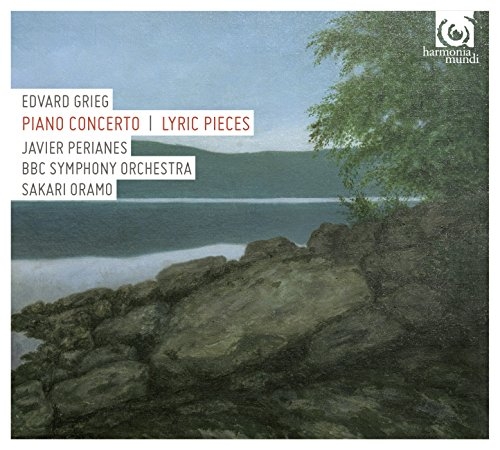
Grieg: Piano Concerto & Lyric Pieces
18,00 €
Formát:
CD
Dostupnosť:
dodacia doba 7-28 dní
Katalógové číslo:
902205
EAN kód:
3149020220528
Autori:
Edvard Hagerup Grieg
Interpreti:
BBC Symphony Orchestra, Javier Perianes, Sakari Oramo
Vydavateľ:
HARMONIA MUNDI
Zoznam skladieb
Grieg:Piano Concerto in A minor, Op. 16
BBC Symphony Orchestra, Sakari Oramo
Lyric Pieces Op. 38: No. 8 - Waltz
Lyric Pieces Op. 12: No. 1 - Arietta
Lyric Pieces Op. 43: No. 1 - Butterfly
Lyric Pieces Op. 47: No. 3 - Melody
Lyric Pieces Op. 43: No. 2 - Lonely Wanderer
Lyric Pieces Op. 54: No. 3 - March of the Trolls
Lyric Pieces Op. 54: No. 4 - Nocturne
Lyric Pieces Op. 57: No. 6 - Homesickness
Lyric Pieces Op. 68: No. 3 - At your feet
Lyric Pieces Op. 68: No. 5 - At the cradle
Lyric Pieces Op. 71: No. 1 - Once upon a Time
Lyric Pieces Op. 71: No. 7 - Remembrances
Javier Perianes (piano)
Popis
The work of a young musician of 25, the celebrated Piano Concerto by Grieg combines the great Romantic tradition and Norwegian folk music. The 'Lyric Pieces' are among the works that made Grieg world-famous. As in the case of the Piano Concerto, commentators have held that a certain combination of intervals (the ‘Grieg motif’) is chiefly responsible for its specific Norwegian quality. For Grieg himself the question of Norwegian culture was a tremendously important one, and he used his international reputation to fight tirelessly for the recognition of Norway as a state. He owed that reputation in considerable part to the 'Lyric Pieces', which he wrote over the space of four decades. They are indebted to the Romantic character piece in free form, which became widespread after 1830 and found outstanding representatives in Schumann and Mendelssohn. Grieg certainly also composed them with a view to their use in teaching the piano, with the result that they swiftly won the hearts of devotees of domestic music-making all over Europe. The present recording offers a representative selection: a set of eight pieces with which the 24year-old composer scored a resounding success immediately upon publication. He had managed to establish a personal voice virtually at a stroke. Further books followed over the decades, and, surprisingly enough, he enjoyed unfailing success with them, even though he hardly changed his ‘artistic strategy’.