 | Miles Davis: Milestones |
 | Ostrov - Prach |
 | Tom Jones: Surrounded by Time 2CD Deluxe Edition |
 | Stamitz: Wind Symphonies |
 | Mark Knopfler: Tracker |
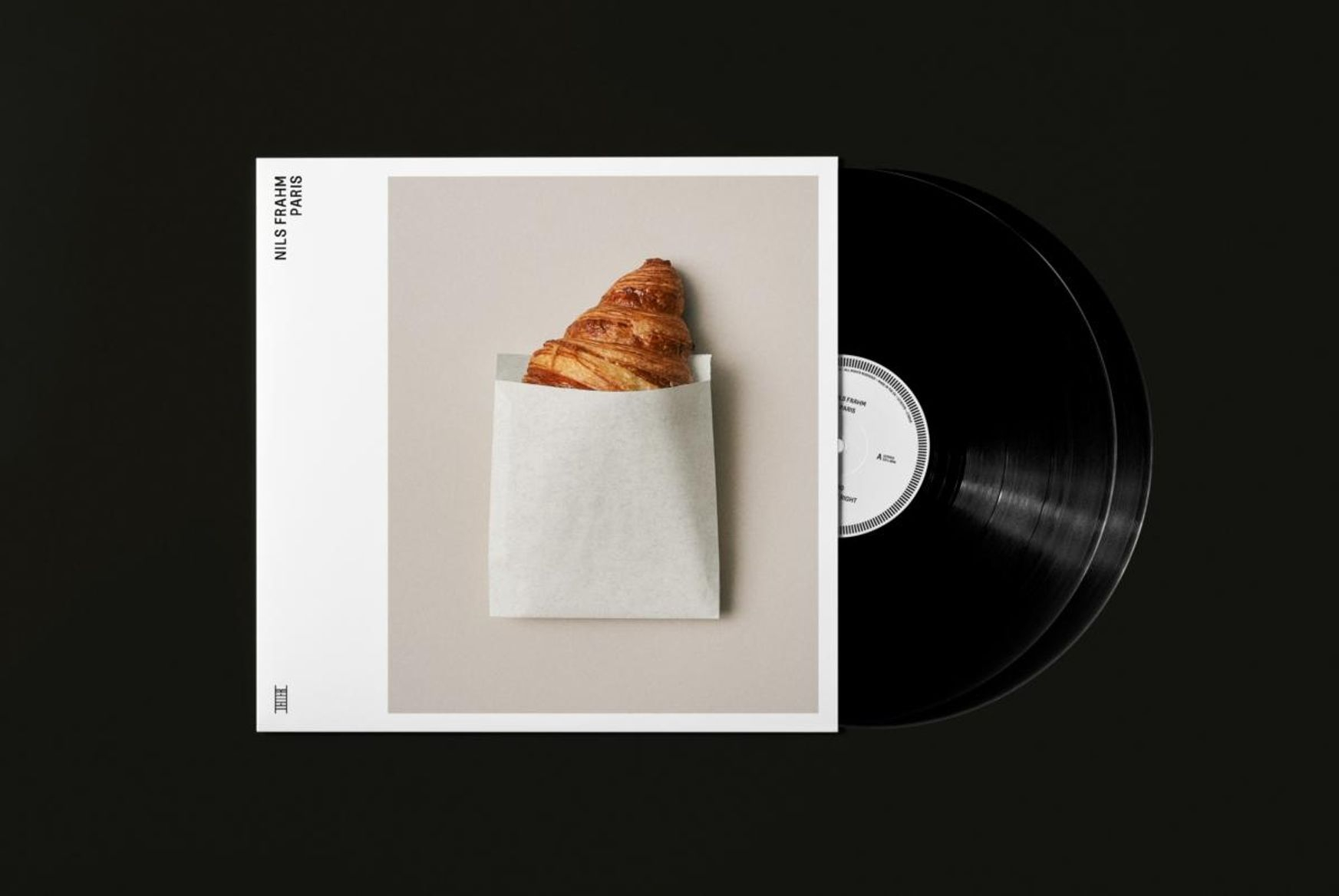
Nils Frahm: Paris (2LP)
40,00 €
Formát:
LP
Dostupnosť:
7-14 dní
EAN kód:
4066004674575
Autori:
Nils Frahm
Interpreti:
Nils Frahm
Vydavateľ:
LEITER
Zoznam skladieb
Dátum vydania: 6. 12. 2024LP 1
Side A:
1 Prolog
2 Right Right Right
Side B:
1 Briefly
LP 2
Side C:
1 You Name It
2 Some
3 Re
4 Spells
Side D:
1 Opera
2 Our Own Roof
3 Hammers
Popis
Nils Frahm shares a new live album. In what’s becoming a tradition, it follows 2013’s Spaces, a Pitchfork Album of the Year taped at shows over the preceding 18 months, and 2020’s Tripping With Nils Frahm, also released as a film. The latter, arriving in the wake of 2019’s All Melody and its 2020 companion, All Encores, was recorded during shows in Berlin’s grandiose Funkhaus Saal 1, once the largest studio in the former GDR’s radio complex. Paris, nonetheless, is Frahm’s first live album from a single night, March 21, 2024, and contains ten tracks over a running time of 84 minutes. Frahm’s performances have always been known for expanding upon his studio recordings, and Paris is no exception. Drawing on his substantial catalogue, the German composer and producer reworks tracks from Music For Animals (‘Right Right Right’ and ‘Briefly’) before less recent material from 2009’s The Bells (‘Some’, also included on 2015’s Solo), and 2012’s Screws (‘Re’, originally recorded with just nine fingers after Frahm broke a thumb). There’s also ‘Spells’ from All Encores and ‘You Name It’ from this year’s solo piano album, Day, while the brand new, luxurious and strangely gripping ‘Opera’ sets the stage for ‘On The Roof’ from his heart-rending, award-winning score for 2015’s widely acclaimed, one-camera, one-take German thriller, Victoria. Having first come to prominence with delicate vignettes for piano, Frahm’s instrumental range has expanded to include a mountain of vintage synths and keyboard instruments. These include a custom-made organ as well as the final glass harmonica constructed by Gerhard Finkenbeiner, a master glassblower who, in the 1980s, resurrected the instrument – first invented by Benjamin Franklin in 1761 – and then died in 1999 in mysterious, still unresolved circumstances. Frahm’s grasp of dynamics and tension has likewise expanded, and not only does he reinvigorate his work during concerts for this wider range of possibilities, but he also keeps developing it as he tours.