






Košík
Váš košík je momentálne prázdny.
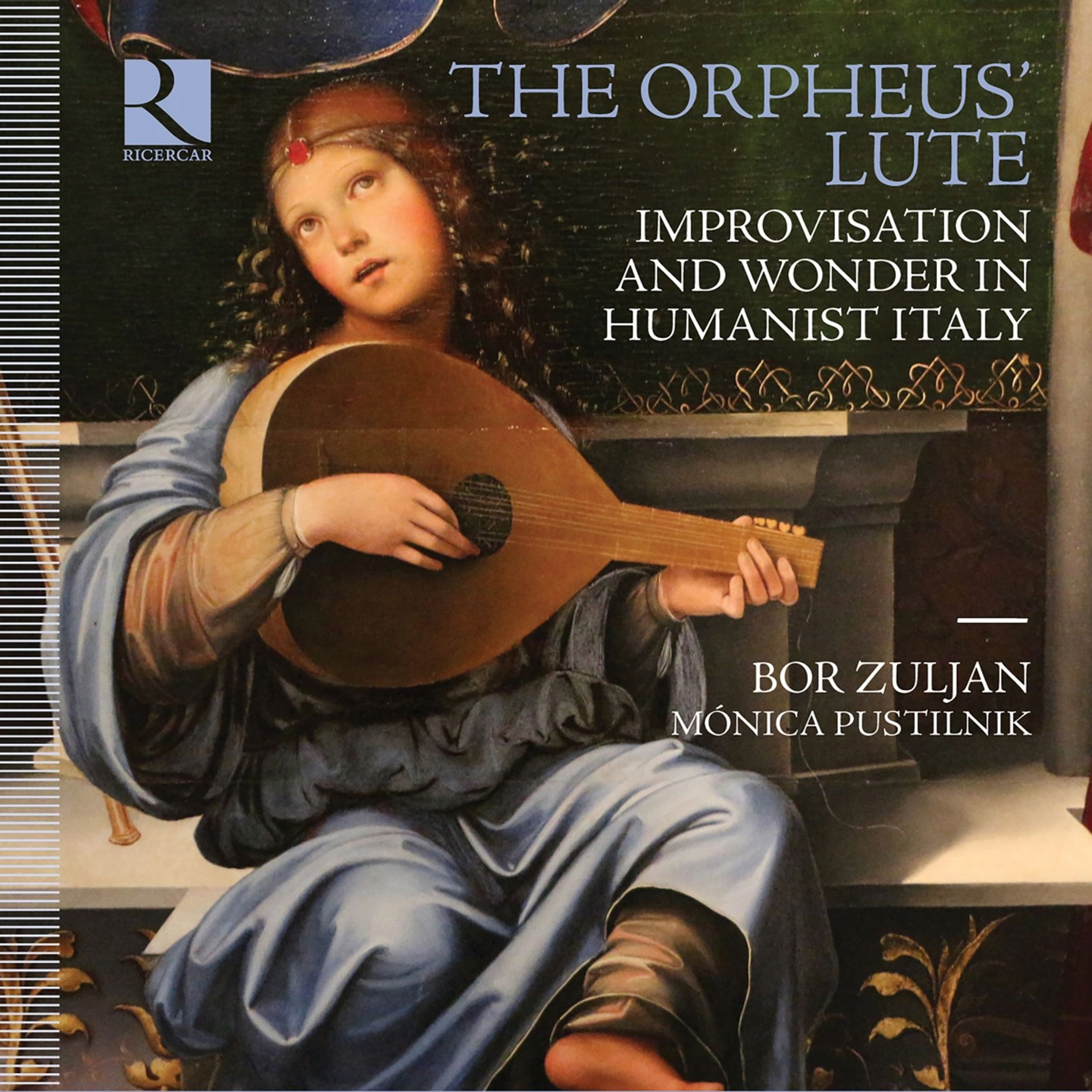
The Orpheus' Lute - Improvisation and Wonder in Humanist Italy
15,00 €
Formát:
CD
Dostupnosť:
7-14 dní
Katalógové číslo:
RIC468
EAN kód:
5400439004689
Autori:
Antoine Busnois, Bartolomeo Tromboncino, Bor Zuljan, Francesco Canova da Milano, Giovanni Maria da Crema, Joan Ambrosio Dalza, Johannes Ockeghem, Marco DallAquila, Mónica Pustilnik, Vincenzo Capirola
Interpreti:
Bor Zuljan, Mónica Pustilnik
Vydavateľ:
RICERCAR
Zoznam skladieb
Dátum vydania: 15. 11. 20241. Bor Zuljan: Ricercare (I)
2. Bor Zuljan: Ottava rima “Tu santa madre”
3. Joan Ambrosio Dalza: Calata alla spagnola
4. Joan Ambrosio Dalza: Calata alla spagnola ditto Terzetti
5. Bor Zuljan: Ricercare (II)
6. Johannes Ockeghem: Malor me bat
7. Bor Zuljan: Bassadanza
8. Bor Zuljan: Ricercare (III)
9. Vincenzo Capirola: Stavasi Amor dormendo
10. Marco Dall'Aquila: La traditora
11. Bor Zuljan, Mónica Pustilnik: Ricercare
12. Bor Zuljan, Mónica Pustilnik: La Cara Cossa 3
13. Bor Zuljan, Mónica Pustilnik: Piva
14. Bor Zuljan: Ricercare (IV)
15. Bartolomeo Tromboncino: Zephyro Spira
16. Bor Zuljan: Ricercar dietro
17. Francesco Canova da Milano: Ricercare, Fantasia a dui liutti
18. Bor Zuljan: Ricercare (V)
19. Antoine Busnois: Fortuna desperata
20. Vincezno Capirola: Pavana descordata
21. Vincezno Capirola: Che faralla, che diralla
22. Bor Zuljan: Ricercare (VI)
23. Giovanni Maria da Crema: Passamezzo alla Bolognese
24. Giovanni Maria da Crema: Saltarello alla Bolognese
25. Bartolomeo Tromboncino: Su, su, leva, alza le ciglia
26. Joan Ambrosio Dalza: Piva
27. Bor Zuljan: Il buon nocchier & Ricercare dietro
Popis
The lute became the instrument of choice at European courts around 1500, the time of their greatest cultural and spiritual importance. The lute was considered by the Humanists to represent Orpheus's lyre, as it embodied the metaphysical ideal of the power of music and was also closely linked to improvisation. Here we revive this tradition for the first time on record: this programme is almost entirely improvised and presents the Renaissance lute with all its surprising colours and sonorities as a living instrument.Prihlásenie
Newsletter


Copyright 2014-2026 © Hummel Music