









Košík
Váš košík je momentálne prázdny.
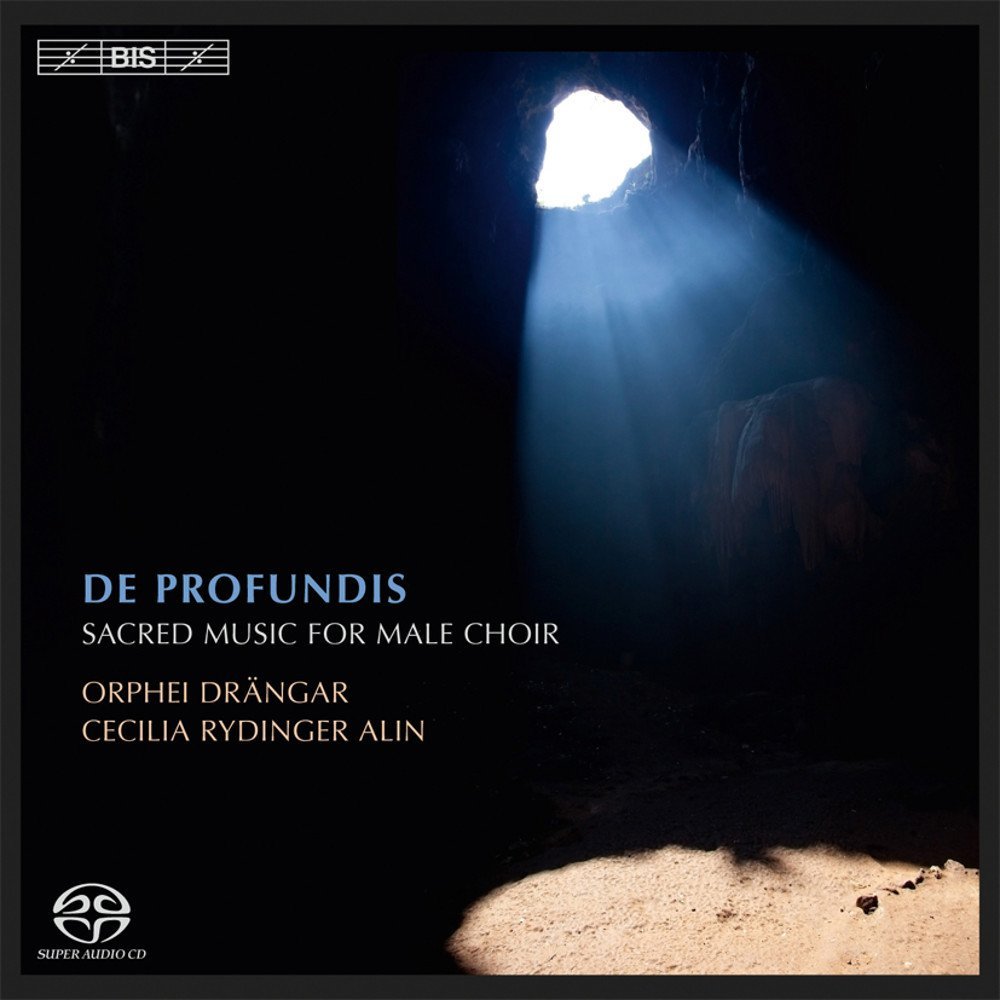
De Profundis: Sacred Repertoire for Male Choir
18,00 €
Formát:
SACD
Dostupnosť:
dodacia doba 7-28 dní
Katalógové číslo:
2053
EAN kód:
7318599920535
Autori:
Artur Lemba, Arvo Pärt, August Söderman, Bob Chilcott, Cyrillus Kreek, Darius Milhaud, Edvard Hagerup Grieg, Franz Biebl, Gioacchino Rossini, György Orbán, Jean Langlais, Nils-Eric Fougstedt, René Eespere, Sven-David Sandström, traditional
Interpreti:
Cecilia Rydinger Alin, Orphei Drängar male choir
Vydavateľ:
BIS
Zoznam skladieb
Biebl:Ave Maria
Chilcott:
Newton's Amazing Grace
Eespere:
Glorificatio
Elin Rombo (soprano), Andrew Canning (organ)
Fougstedt:
Nattlig Madonna
Grieg:
Ave Maris Stella
Kreek:
Taaveti laulud
Langlais:
Psalm 150
Andrew Canning (organ)
Lemba:
Gloria
Milhaud:
Psaume 121
Orbán:
Daemon irrepit callidus
Pärt:
De profundis
Andrew Canning (organ)
Rossini:
Preghiera
Sandstrøm, S-D:
Sanctus
Söderman:
Kyrie
Elin Rombo (soprano)
Domine
trad.:
Oh Kristus valgus oled sa
Andrew Canning (organ)
Popis
Estonia provides both starting point and goal for this disc of sacred music for male choir, with a traditional hymn followed by works by composers such as Kreek, Eespere and Lemba, and the closing De profundis by Arvo Pärt. But in between, Orphei Drängar and their conductor Cecilia Rydinger Alin make a grand tour of Europe, taking in music by composers from the Nordic countries, France, Italy, Central Europe and the UK. Biblical Psalms have provided many of these with their texts, such as Milhaud (in French), Langlais (in English), Kreek (in Estonian) and Pärt (in Latin). Others – Lemba, Söderman, Sandström – have set portions of the text of the Catholic mass. Grieg and Biebl were both inspired by prayers in Latin, while Rossini chose to set one in Italian. For Nattlig madonna ('Nocturnal Madonna') the Finnish composer Nils-Eric Fougstedt selected a poem depicting the Virgin Mary with her newborn child by his compatriot Edith Södergran, while Bob Chilcott has chosen one by the Guyanese-British poet John Aagard, whose version of John Newton's Amazing Grace gives the background to the conversion of this 18th-century slave-trader turned abolitionist. Throughout a programme ranging from Rossini's Preghiera from c. 1860 to Sven-David Sandström's Sanctus, composed for the choir in 2010, Orphei Drängar and Rydinger Alin once again demonstrate the versatility and exalted standards that habitually causes the choir to be described as the finest male-voice choir in the world.Prihlásenie
Newsletter


Copyright 2014-2026 © Hummel Music